
How Fleet Tracking Improves Last-Mile Delivery Performance in Florida
Last-mile delivery has become one of the most critical and cost-intensive stages in the logistics and supply chain ecosystem, especially in Florida, where hi...
Read article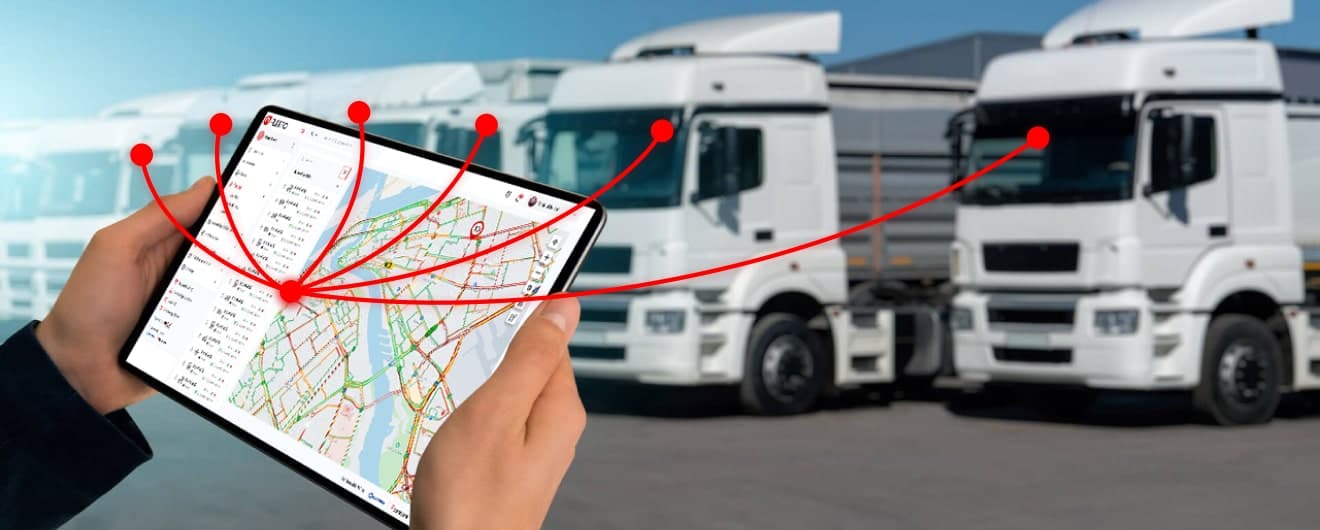
In Florida’s fast-growing logistics and transportation industry, businesses are under constant pressure to improve efficiency, reduce costs, and provide reliable services. Fleet tracking and truck tracking solutions, when integrated with dispatch software and TMS (Transportation Management System) platforms, are transforming how Florida trucking companies and delivery services operate.
These technologies provide real-time insights into vehicle locations, optimize routes, improve driver safety, and streamline fleet operations, giving Florida businesses a competitive edge.
Fleet tracking is a GPS-based technology that allows businesses to monitor vehicles in real-time. It tracks location, speed, fuel consumption, and overall vehicle performance.
Truck tracking is a specialized form of fleet tracking that focuses specifically on commercial trucks, including long-haul, refrigerated, and delivery trucks. It helps businesses in Florida ensure timely deliveries, minimize downtime, and enhance logistics efficiency.
Key benefits include:
A dispatch platform helps logistics managers assign jobs, schedule deliveries, and monitor driver availability.
A Transportation Management System (TMS) streamlines the entire transportation process, including shipment planning, carrier selection, load optimization, and freight tracking.
Integrating fleet and truck tracking with dispatch and TMS platforms allows Florida businesses to operate a centralized, data-driven, and efficient fleet management system.
Integrated systems enable Florida fleet operators to adjust routes dynamically, factoring in traffic, weather, and delivery priorities. This ensures faster deliveries, reduced fuel consumption, and timely arrivals in cities like Miami, Orlando, Tampa, and Jacksonville.
Live vehicle updates help dispatchers reassign trucks, update schedules, and manage resources efficiently. TMS integration ensures shipment plans, carrier assignments, and inventory levels are aligned.
Integrated platforms provide actionable insights on driver performance, fuel usage, delivery times, and route efficiency, enabling continuous operational improvements.
Real-time truck tracking allows dispatchers to provide clients with accurate delivery updates. Florida businesses can improve reliability, build trust, and strengthen customer relationships through transparency.
Integrated tracking systems ensure compliance with Florida and federal trucking regulations. Automated alerts for speed limits, driving hours, and maintenance schedules enhance driver safety and reduce legal risks.
Monitoring vehicle performance and fuel usage helps identify inefficiencies, optimize routes, and reduce unnecessary expenses, maximizing ROI for Florida trucking companies.
Telematics technology provides real-time insights into truck diagnostics, driver behavior, fuel usage, and maintenance needs. Florida businesses leveraging telematics can proactively prevent breakdowns and optimize fleet performance.
Fleet tracking integrated with TMS ensures accurate last-mile delivery in Florida’s congested urban areas. Real-time updates help dispatchers reroute vehicles to avoid delays and meet tight delivery windows.
Advanced fleet tracking solutions allow Florida businesses to monitor cargo conditions such as temperature, humidity, and security. This is especially critical for refrigerated trucks, medical supplies, and high-value shipments.
Integration with TMS allows automated alerts for preventive maintenance, helping Florida trucking companies reduce downtime, extend vehicle life, and minimize repair costs.
Optimized routes and efficient fleet management reduce fuel consumption and carbon emissions, supporting Florida companies in meeting sustainability goals and environmental compliance.
For Florida companies managing multiple fleets across regions, integrated tracking ensures centralized visibility, better resource allocation, and improved coordination between different types of trucks and vehicles.
Florida businesses should consider:
For Florida logistics and trucking companies, integrating fleet tracking and truck tracking systems with dispatch and TMS platforms is no longer optional; it’s essential. The top tracking systems help businesses manage all types of fleets, from small delivery vans to large commercial trucks, ensuring accurate visibility, route optimization, compliance, and operational efficiency.
By investing in these integrated solutions, Florida truckers can reduce costs, improve service reliability, enhance customer satisfaction, and make data-driven decisions, giving them a competitive advantage in the fast-moving transportation industry. Whether they are managing a single fleet or multiple fleets across the state, these systems support smarter, safer, and more efficient operations.
Our experts will tailor an ELD-compliant solution that fits your unique trucking needs and boosts operational efficiency.