

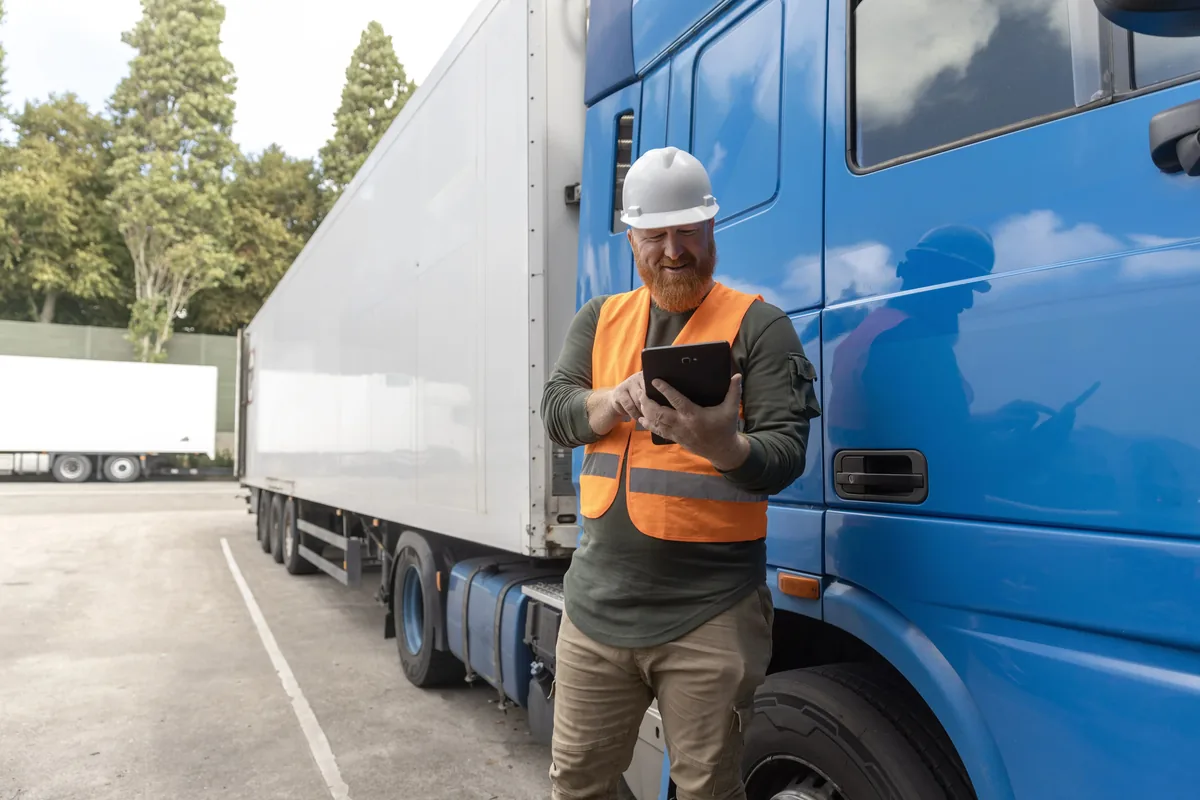
Hours of Service Rules 2026: 11-Hour, 14-Hour & 70-Hour Limits
Hours of service rules 2026 explained, 11-hour, 14-hour & 70-hour limits, split sleeper examples, FMCSA pilots & ELD tips for fleets.
Read article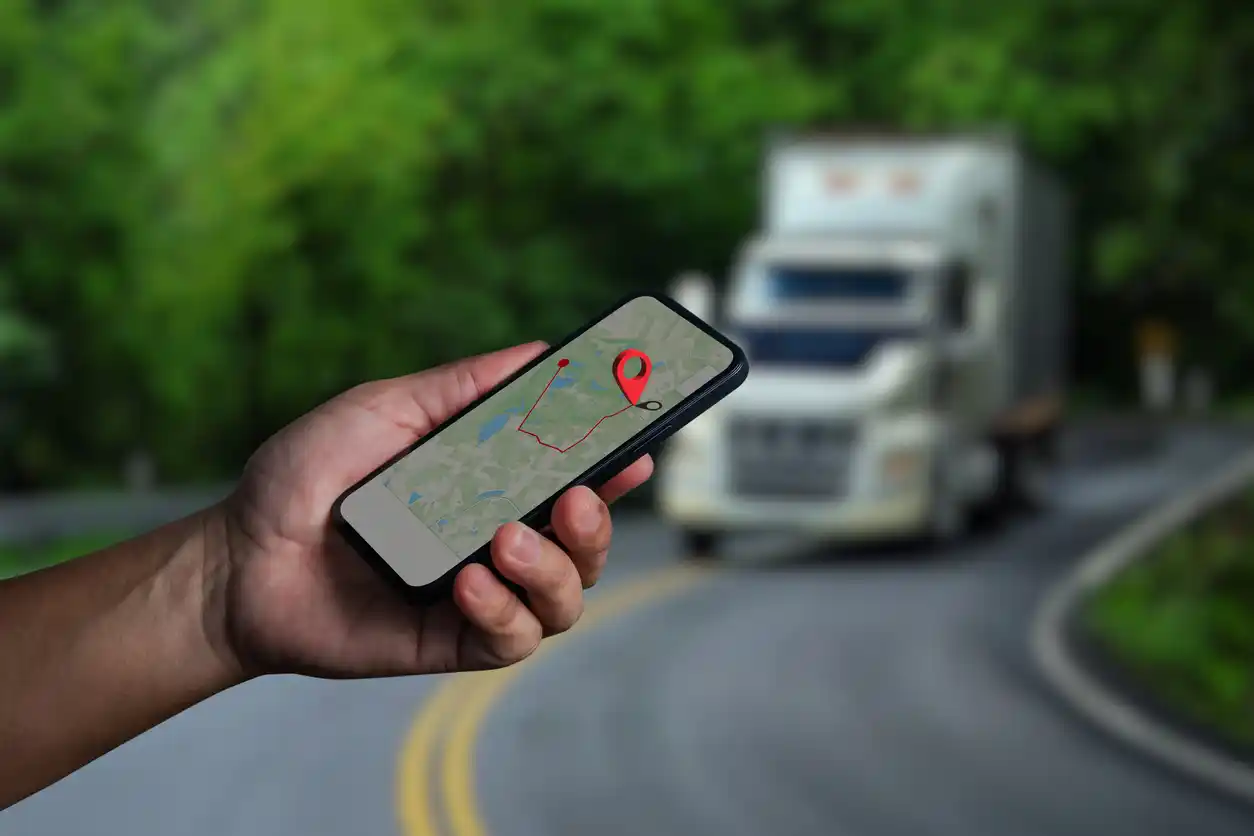
Last-mile delivery is the final trip from the depot to the customer's door. It is also the most costly part of the trip. In Florida, busy cities, tourist crowds, and fast online orders make this step even harder.
Customers now expect same-day or next-day delivery. That puts Florida businesses under pressure to deliver faster, get it right, and keep costs low.
Fleet tracking helps. It shows where every vehicle is, helps plan better routes, and makes deliveries more reliable in cities, suburbs, and along the coast.
Florida has its own last-mile delivery challenges. Drivers work in busy metro areas like Miami, Orlando, Tampa, and Jacksonville. They also run long coastal routes and face traffic that rises with the seasons.
Common last-mile problems in Florida include:
Without good tracking, these problems lead to late deliveries and unhappy customers.
Fleet tracking uses GPS, telematics software, and the cloud to show where your vehicles are in real time. For Florida delivery companies, it means better route plans, more accountable drivers, and a clear view of every delivery.
Modern fleet tracking systems work with your delivery software. They give you live data you can act on right away.
Dispatchers can see every truck on a live map, from city centers to remote stops.
This helps you:
Live GPS tracking keeps work moving, even during the busiest hours.
Florida traffic can change fast because of tourists, road work, or storms. Fleet tracking uses live traffic and past trips to find the best route.
Better routes help Florida businesses:
Smarter route planning is key to steady last-mile results across Florida.
On-time delivery matters a lot to online stores, retailers, and delivery companies. Fleet tracking sends alerts early, so you can stop a delay before it happens.
With accurate arrival times and live updates, you can:
Being reliable helps you win in Florida's crowded delivery market.
Fleet tracking can monitor driver behavior like speeding, hard braking, and idling. Florida traffic and weather change often, so this matters for both safety and cost.
Benefits include:
Better drivers mean smoother deliveries across Florida.
Fuel and repair costs add up fast for fleets that cover large areas. Fleet tracking shows where fuel and time are being wasted.
Businesses benefit from:
These savings help Florida companies stay ahead without cutting service.
Florida customers want deliveries that are fast, clear, and reliable. Fleet tracking lets them follow their order and lets you reach out before there is a problem.
Customers get:
A better delivery experience keeps customers coming back.
Florida often deals with weather problems such as heavy rain, storms, and hurricanes. Fleet tracking lets you respond the moment a delivery runs into trouble.
With instant alerts and a live map, you can:
Being ready like this is vital for last-mile delivery in Florida.
Fleet tracking collects data that helps you improve every week.
You can use it to:
Decisions based on real data help your delivery business grow.
Fleet tracking helps many Florida industries, including:
In fast delivery markets, fleet tracking gives you an edge.
To deliver better in Florida, you need a reliable fleet tracking partner. Look for a system with:
Top Tracking System gives Florida businesses these tools. It helps you run your fleet well, handle local challenges, and grow.
New tools like AI, smart sensors, and data that predicts what comes next are shaping fleet tracking. They will make routes, delivery times, and planning even better.
Florida companies that invest in tracking now will be ready for what customers want next.
Fleet tracking improves last-mile delivery in Florida. It gives you a live view of your trucks, better routes, lower costs, and happier customers. As online orders keep growing in Florida, tracking is now a must.
With a proven system like Top Tracking System, Florida businesses can beat last-mile problems, deliver on time, and stay ahead.
Stay informed with the most recent updates, expert analysis, and industry trends in truck tracking and fleet management.
Hours of service rules 2026 explained, 11-hour, 14-hour & 70-hour limits, split sleeper examples, FMCSA pilots & ELD tips for fleets.
Read article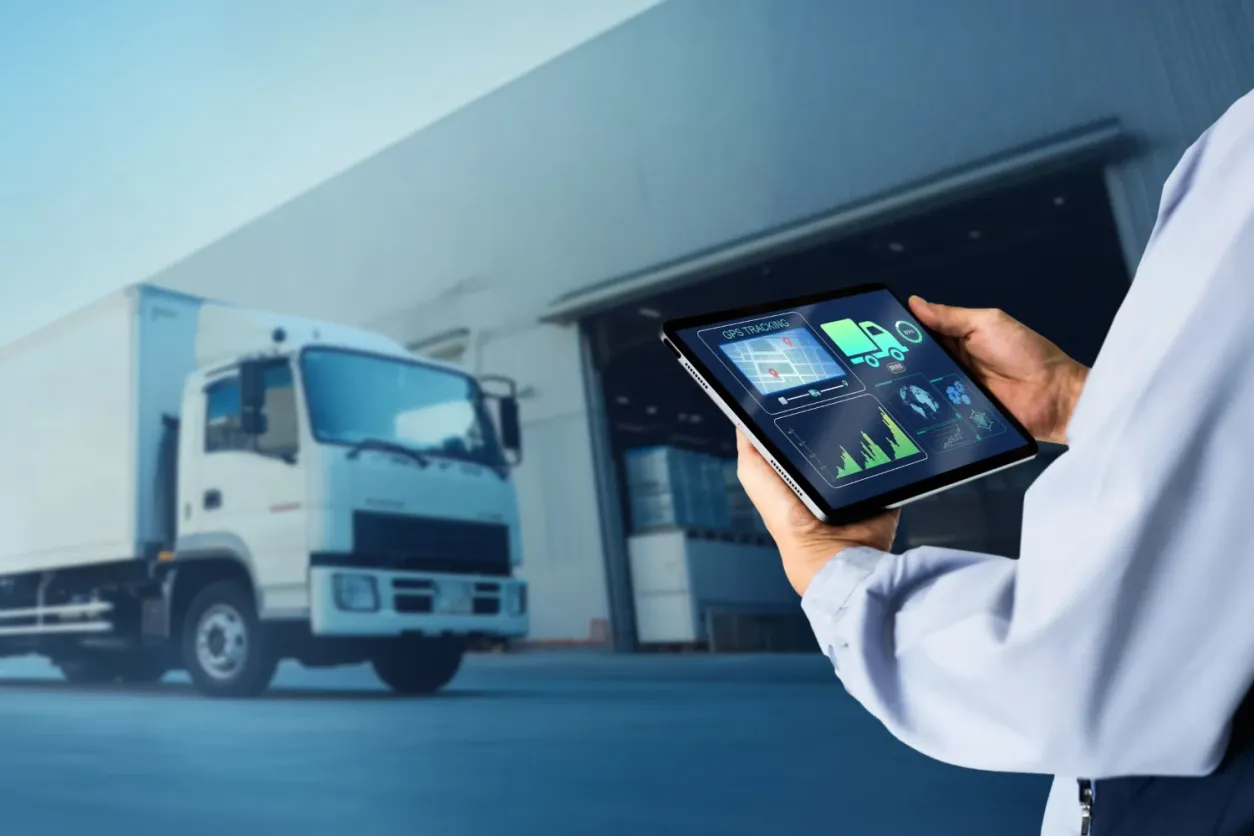
What is an ELD? It logs your driving time automatically from engine data. Learn how it works, who needs one, the exemptions, and what it records.
Read article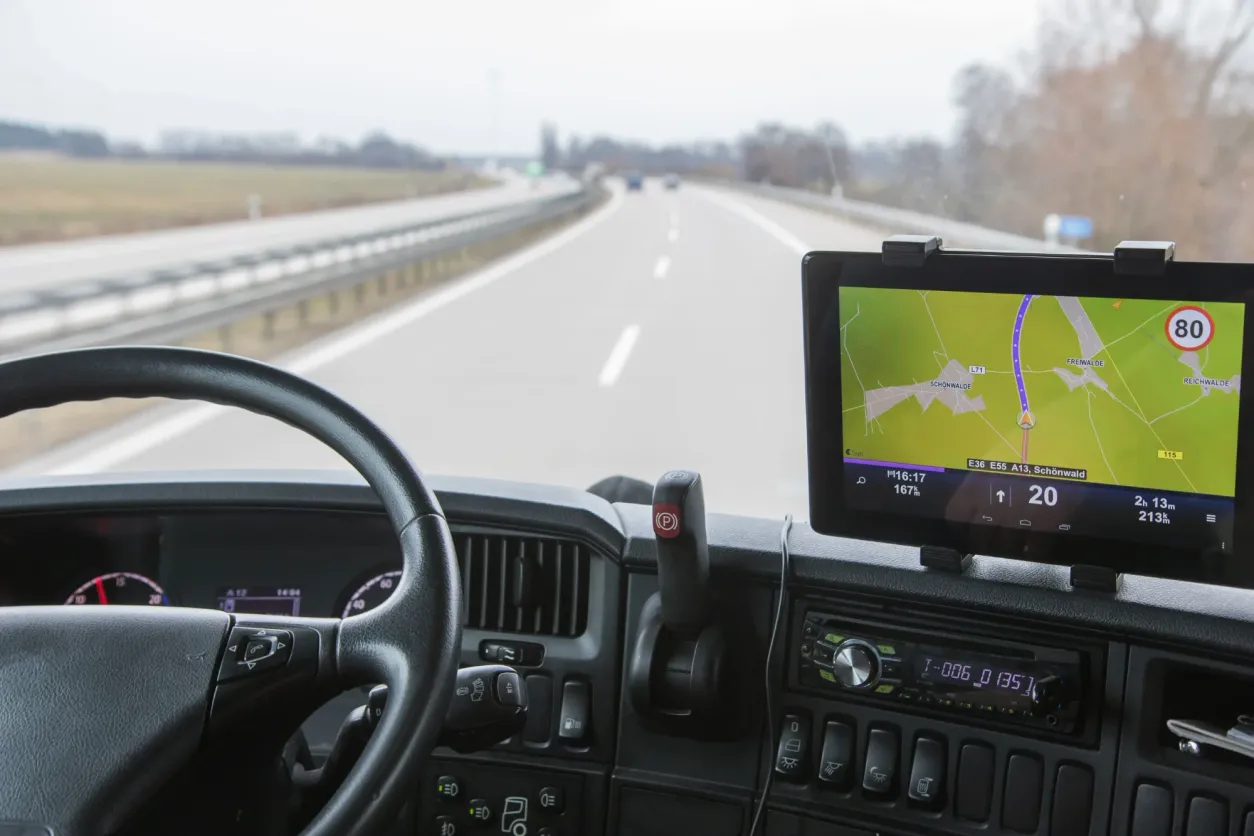
ELD malfunction? Notify your carrier in writing within 24 hours, rebuild 8 days of logs on paper, and learn what the 8-day rule really covers.
Read articleOur experts will tailor an ELD-compliant solution that fits your unique trucking needs and boosts operational efficiency.