
How Fleet Tracking Improves Last-Mile Delivery Performance in Florida
Last-mile delivery has become one of the most critical and cost-intensive stages in the logistics and supply chain ecosystem, especially in Florida, where hi...
Read article
Efficient route planning is critical for businesses operating in Florida’s bustling logistics and transportation sectors. Yet, many companies still rely on manual methods or outdated tools, which lead to inefficiencies, higher costs, and missed delivery windows.
Poor route planning does not just slow operations; it directly affects profitability, customer satisfaction, and operational performance.
This blog explores the true cost of poor route planning and explains how fleet tracking solutions help Florida businesses optimize delivery operations.
Route planning involves mapping out the most efficient paths for delivery vehicles while considering distance, traffic patterns, delivery windows, and driver availability. Proper planning ensures that businesses maximize efficiency, reduce costs, and improve service quality.
For companies in Florida, where traffic congestion can be unpredictable, optimized routing is essential for last-mile delivery performance and fleet efficiency.
Poor route planning often goes unnoticed at first, but over time, it results in significant financial and operational losses for Florida-based logistics and transportation businesses.
Fuel is one of the highest operating expenses in fleet operations. Inefficient routes in Florida lead to:
Without optimized routing, vehicles consume more fuel than necessary, directly increasing transportation costs.
When routes are poorly planned, drivers in Florida face:
This results in late deliveries, missed appointments, and unhappy customers—especially in last-mile delivery operations.
Delayed deliveries negatively impact customer satisfaction, delivery performance, and service-level agreements (SLAs).
Unoptimized routes put unnecessary strain on vehicles by:
Over time, this leads to frequent breakdowns, higher maintenance expenses, and reduced vehicle lifespan, particularly for fleets operating across Florida’s urban and rural areas.
Drivers waste valuable time navigating inefficient routes in Florida, leading to:
Poor route planning also affects driver morale and contributes to higher attrition rates in the transportation industry.
Without real-time tracking, Florida fleet managers have no clear insight into:
This lack of visibility prevents proactive decision-making and slows down issue resolution.
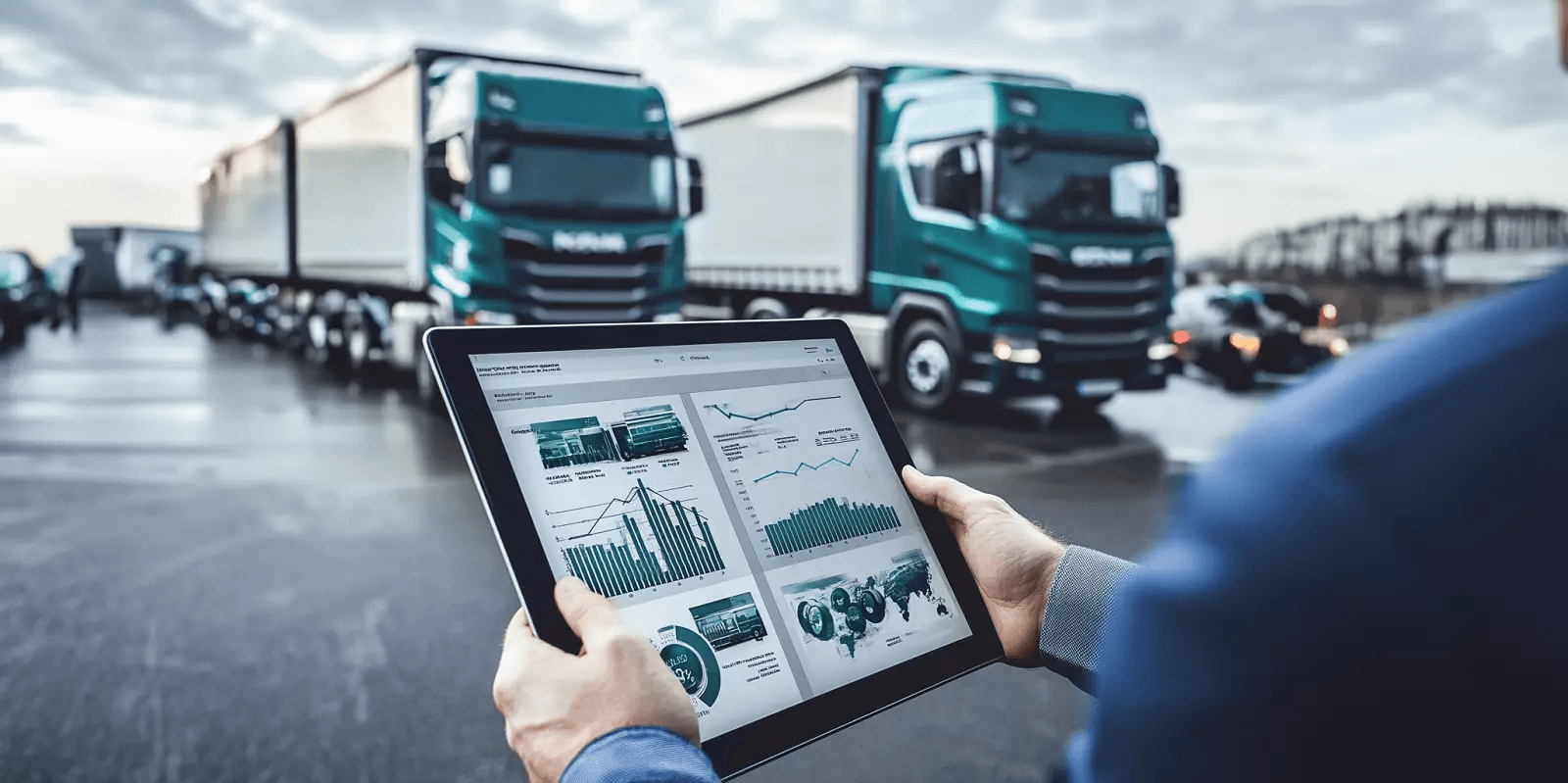
Modern GPS fleet tracking solutions eliminate guesswork and enable data-driven route optimization for businesses operating in Florida. When combined with Electronic Logging Devices (ELDs), fleet managers gain even greater control over driver hours, compliance, and route efficiency.
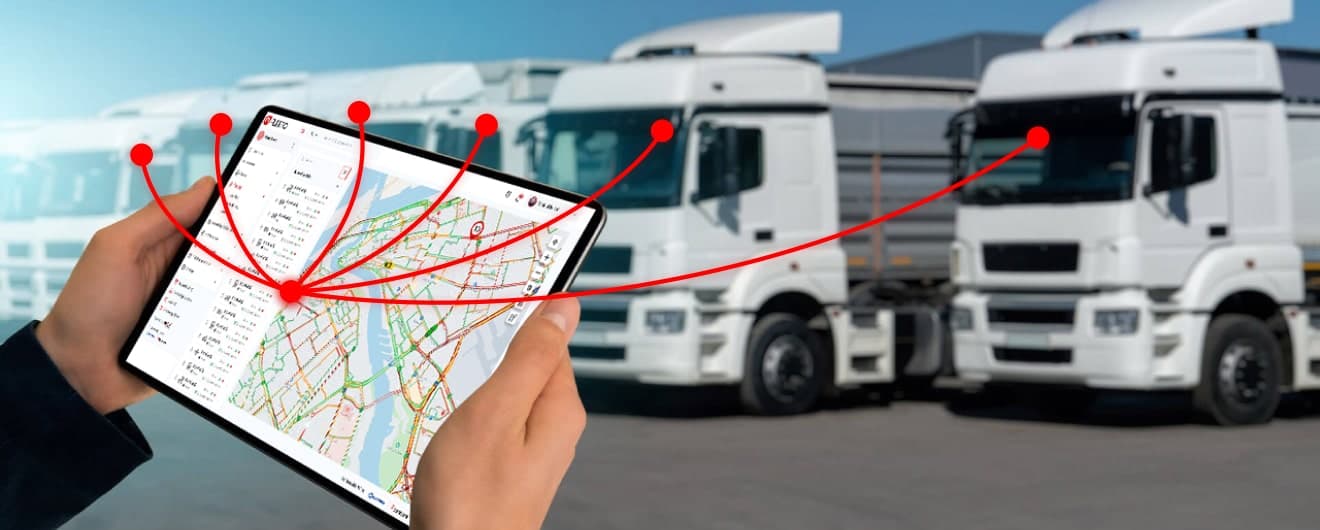
Fleet tracking systems provide real-time vehicle location data, allowing businesses to:
When integrated with ELDs, managers can also track driver hours in compliance with federal and Florida-specific regulations. This ensures safer operations and reduces the risk of violations while improving delivery accuracy and operational transparency.
Advanced tracking platforms use AI-driven algorithms to analyze:
These systems automatically suggest the most efficient routes, reducing fuel usage and delivery time for Florida-based fleets. ELD data can also help identify optimal driving schedules while adhering to hours-of-service limits, enhancing route planning accuracy.
By minimizing unnecessary mileage and idle time, fleet tracking helps businesses in Florida:
Using ELD data, fleets can monitor driver behavior such as idling, acceleration, and braking. This combined insight allows for better cost optimization in logistics operations and ensures compliance with Florida transportation regulations.
Fleet tracking ensures drivers follow optimized routes, helping Florida businesses:
Integration with ELDs ensures drivers do not exceed regulated hours while maintaining efficient delivery schedules. This makes last-mile delivery faster, more reliable, and safer.
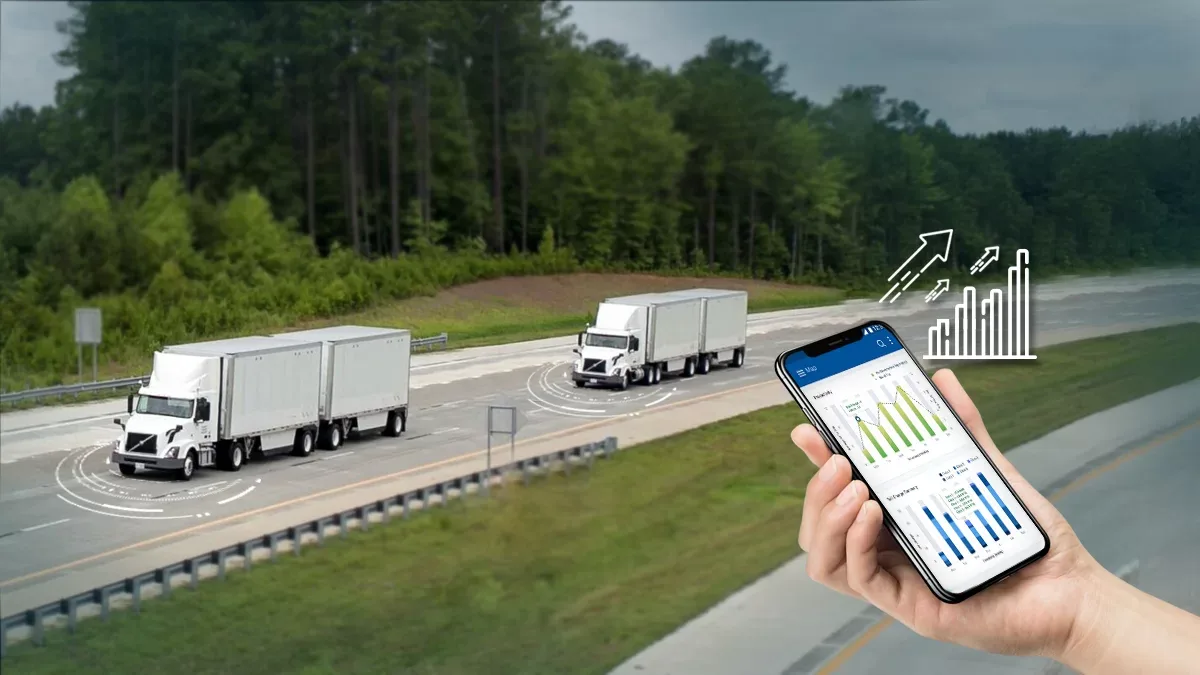
Tracking systems generate actionable reports on:
ELD data adds an extra layer of insight by tracking hours of service, driver rest periods, and compliance metrics. These combined analytics help Florida fleet managers continuously improve route planning strategies and maintain regulatory compliance.
Rising fuel prices, growing customer expectations, and tighter delivery windows make manual route planning unsustainable. Companies leveraging GPS tracking and route optimization gain a strategic edge over competitors by improving delivery performance and reducing operational costs.
Poor route planning in Florida comes with hidden costs such as higher fuel consumption, vehicle wear, reduced productivity, and lower customer satisfaction. Implementing Top Tracking System’s fleet tracking solutions transforms route planning into a data-driven, efficient process.
This helps Florida businesses save money, improve last-mile delivery, and gain real-time operational visibility.
Investing in Top Tracking System’s ELD and GPS fleet tracking solutions is not just about knowing where your vehicles are. It ensures every route counts and helps your Florida fleet operate at peak efficiency.
Our experts will tailor an ELD-compliant solution that fits your unique trucking needs and boosts operational efficiency.