
How Fleet Tracking Improves Last-Mile Delivery Performance in Florida
Last-mile delivery has become one of the most critical and cost-intensive stages in the logistics and supply chain ecosystem, especially in Florida, where hi...
Read article
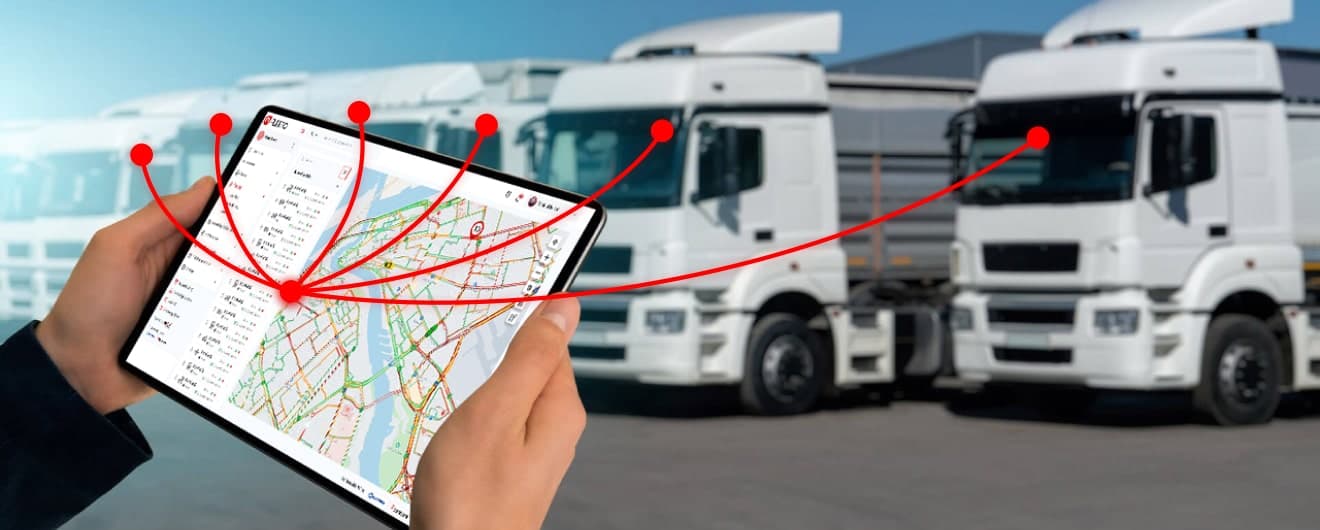
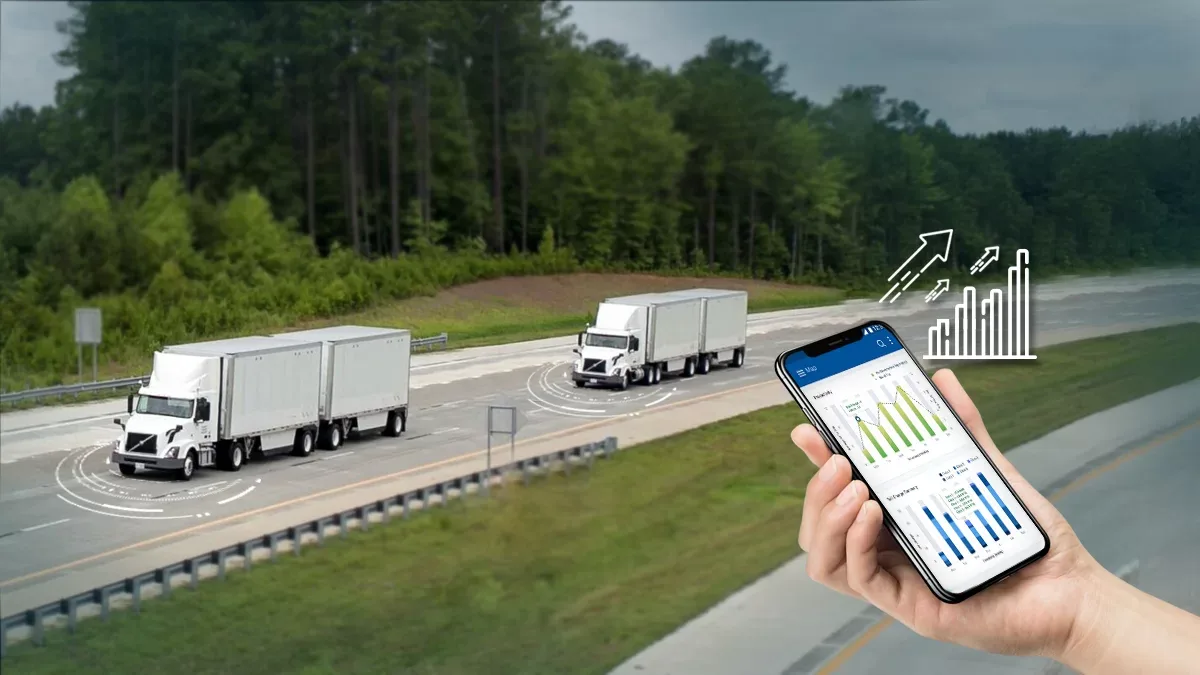
In today’s transportation and logistics industry, GPS tracking for trucks has become essential for safety, compliance, and operational efficiency. Whether you manage long-haul freight, regional carriers, or last-mile delivery trucks, choosing the right truck GPS tracking devices can significantly impact your fleet performance. The two most popular options are plug-in GPS trackers and wired GPS tracking devices.
Both serve the same purpose of real-time location tracking, route optimization, and driver safety, but their installation, accuracy, and long-term benefits differ greatly. In this detailed guide, we break down the key differences between plug-in and wired GPS tracking devices to help you choose the best solution for your fleet.
A plug-in GPS tracker is a compact device that connects directly to a truck’s OBD-II or J-Bus port. These trackers are extremely easy to install and start working within minutes.
Because they rely on the truck’s existing port, plug-in devices are often chosen by carrier operations that need quick deployment or manage seasonal trucks and rental units.
A wired GPS tracker is a hardwired device installed directly into the truck’s electrical system. These units are permanently fixed in the vehicle, making them more secure and tamper-resistant.
Because wired devices are integrated into the truck, they are preferred for large fleets that require long-term reliability, compliance reporting, and advanced telematics.
Below is a complete breakdown of how plug-in and wired GPS tracking devices differ when used for truck tracking and fleet operations.
Plug-In GPS Tracker
One of the biggest advantages of a plug-in device is the simple installation. Truck drivers or fleet managers can install it in seconds by plugging it into the OBD-II or J-Bus port. No professional help is needed.
Wired GPS Tracker
A wired device requires professional installation, as it must be connected to the truck’s electrical wiring. While this adds a small upfront cost, it ensures permanent and secure placement, making the device ideal for long-term fleet operations.
Verdict: Plug-in wins for speed; wired wins for durability and security.
Plug-In Device
Plug-in GPS trackers provide good accuracy but may experience occasional signal interruptions due to:
Wired Device
A wired GPS tracking devices deliver superior accuracy, consistent performance, and a stronger GPS connection. Because it’s hardwired, it remains stable and hidden, making it ideal for high-value truck loads and long hauls.
Verdict: Wired GPS trackers provide more reliable performance for truck fleets.
Plug-In Tracker
Since plug-in trackers are visible and accessible, drivers can unplug or remove them. This creates risk in:
Wired Tracker
A wired GPS tracking device is hidden, making it almost impossible to tamper with. This is especially important for:
Verdict: Wired GPS wins for security and tamper-proof design.
Plug-In Tracker
Plug-in devices support limited telematics:
Wired Tracker
Wired trackers deliver comprehensive telematics, including:
For trucks requiring ELD compliance, a wired tracker is the more dependable choice.
Verdict: Wired GPS trackers provide deeper and more accurate telematics.
Plug-In Device
Wired Device
Verdict: Plug-in is budget-friendly; wired offers greater long-term value.
Plug-In GPS Tracker Is Best For:
Wired GPS Tracker Is Best For:
The best choice depends on your fleet’s goals:
If you want quick installation, lower cost, and basic tracking, choose a plug-in GPS tracker. If you need advanced data, long-term reliability, and tamper-proof technology, choose a wired GPS tracker.
Most mid-size and large trucking companies ultimately prefer wired GPS tracking devices due to better telematics, compliance support, and driver behavior insights.
Technology / Feature
ELD Compliance
❌ No
Temperature Sensor Support
Camera Compatibility
✔️ Yes
✔️ High
Installation
✔️ Extensive
Long-Term Truck Fleet Operations
Choosing the right GPS tracking devices for truck tracking can transform how your fleet operates. Both plug-in and wired GPS trackers enable real-time truck tracking, route optimization, and fleet monitoring, but their long-term benefits vary.
For fleets seeking durability, advanced telematics, and compliance support such as ELD, a wired GPS tracker is the clear winner. For temporary, seasonal, or smaller fleets, a plug-in GPS tracker offers a cost-effective, fast-to-install solution.
With the right GPS device from Top Tracking System, trucking companies can enhance driver safety, reduce operational costs, and improve overall fleet efficiency, which is a win for both your business and your drivers.
Our experts will tailor an ELD-compliant solution that fits your unique trucking needs and boosts operational efficiency.