
How Fleet Tracking Improves Last-Mile Delivery Performance in Florida
Last-mile delivery has become one of the most critical and cost-intensive stages in the logistics and supply chain ecosystem, especially in Florida, where hi...
Read article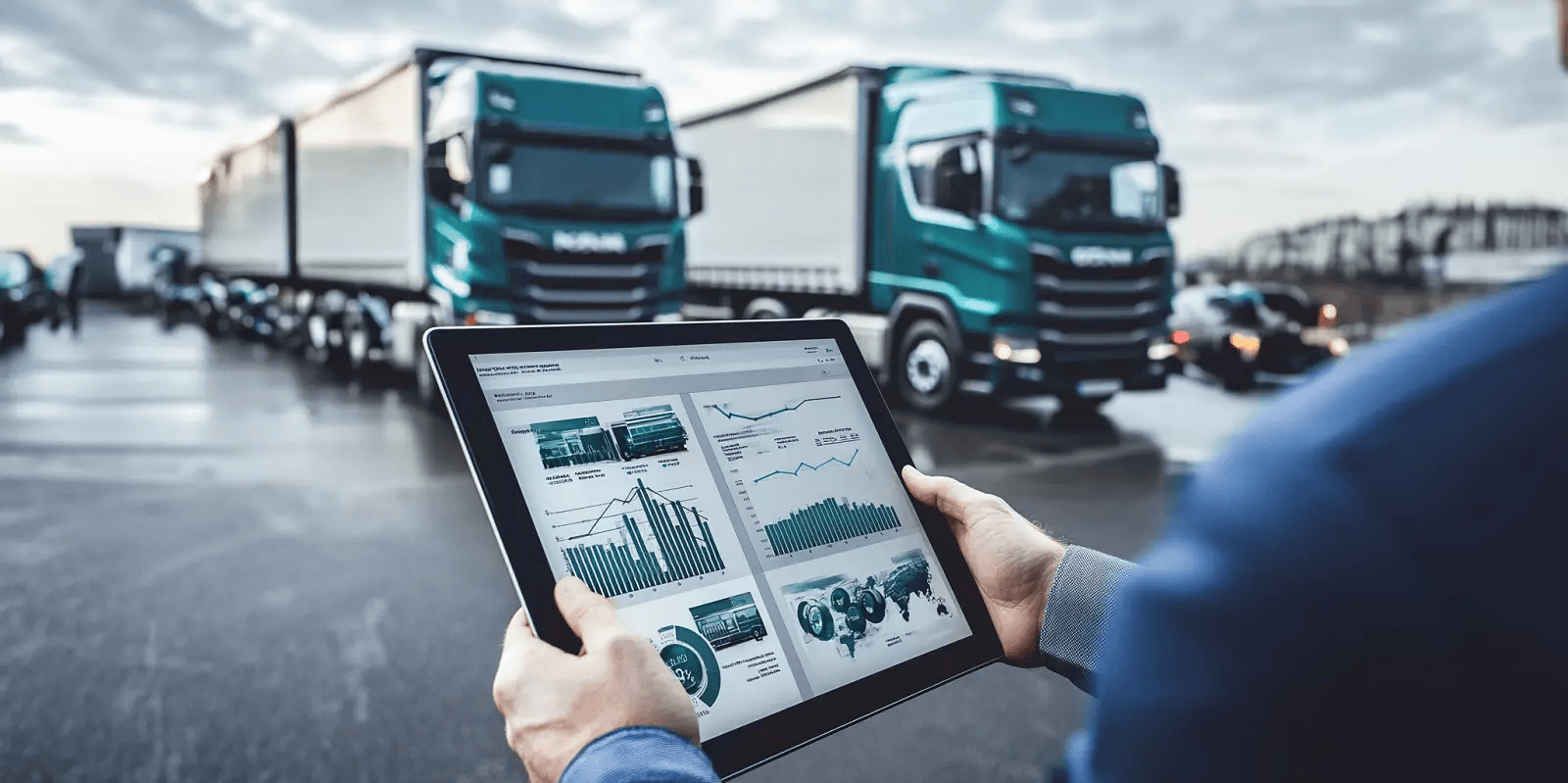
Fleet Management Technologies and the logistics industry are rapidly evolving, and businesses must adopt modern Fleet Management Technologies to remain competitive. With advanced truck tracking systems, companies can gain real-time visibility into fleet operations, optimize routes, enhance safety, reduce costs, and maintain compliance. Whether you operate long-haul trucks, refrigerated fleets, or local delivery vehicles, leveraging the right Fleet Management Technologies can transform your operations and drive profitability.
Investing in these tools is no longer optional; it’s a necessity for businesses that want to deliver goods efficiently, safely, and on time.
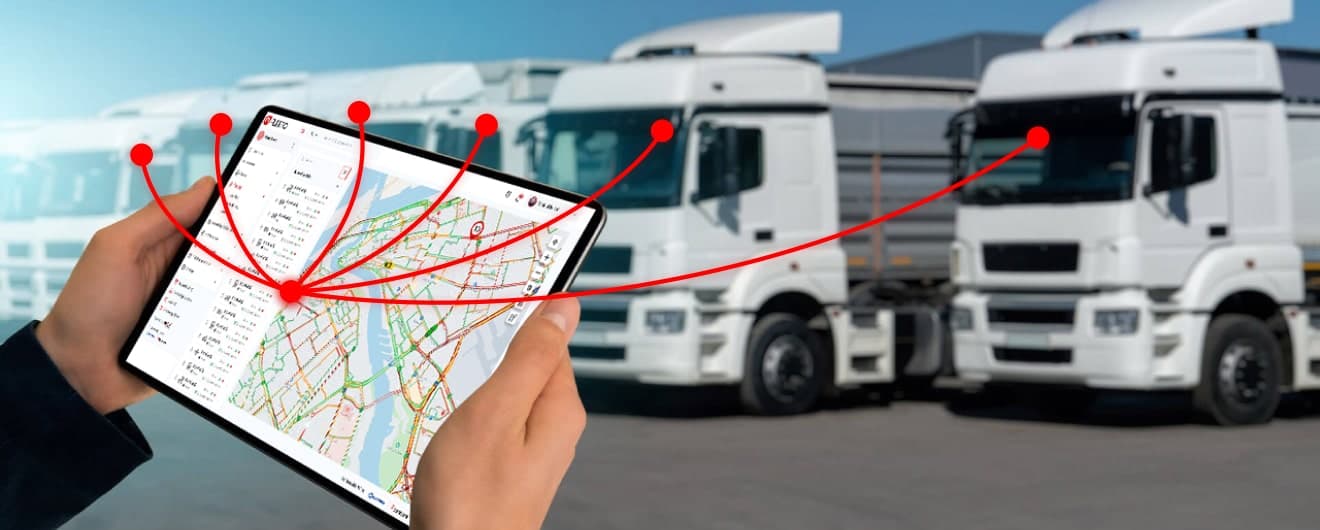
A GPS truck tracking system is the cornerstone of effective Fleet Management Technologies. Real-time GPS tracking allows fleet managers to:
For example, a regional logistics company reduced delivery delays by 30% after integrating GPS truck tracking into their Fleet Management Technologies suite.
Compliance with Hours of Service (HOS) regulations is a major challenge for trucking companies. ELDs help fleets:
By integrating ELDs with truck tracking systems, fleet managers can ensure legal compliance while improving operational efficiency, a key feature of modern Fleet Management Technologies.
For fleets transporting perishable or temperature-sensitive goods, GPS tracking with temperature sensors is essential. Benefits include:
For instance, food distribution companies can maintain strict temperature control for frozen goods, ensuring quality from warehouse to delivery, a vital aspect of Fleet Management Technologies.
Fuel expenses are one of the largest costs for trucking companies. GPS with fuel sensors, part of advanced Fleet Management Technologies, allows you to:
By tracking fuel closely, businesses can save thousands annually and maintain full transparency over fleet operations.
Safety and liability protection are critical. Security cameras for trucks provide:
AI-enabled dash cams integrated with truck tracking allow fleet managers to analyze risky driving habits and improve overall fleet safety, making it a must-have in Fleet Management Technologies.
Telematics is one of the most transformative components of Fleet Management Technologies. A telematics system provides insights into:
Telematics allows fleets to make data-driven decisions, reducing maintenance costs and increasing fleet efficiency.
Efficient route planning is crucial for cost reduction and timely deliveries. Route optimization software, a key part of Fleet Management Technologies, provides:
Companies using route optimization software integrated with GPS truck tracking have reported up to a 25% reduction in fuel costs and significant improvements in on-time delivery rates.
Unplanned truck breakdowns are costly and disruptive. Predictive maintenance tools allow businesses to:
Predictive maintenance combined with GPS tracking is one of the most powerful Fleet Management Technologies for ensuring reliability and continuity in fleet operations.
Protecting valuable cargo is a priority. Modern Fleet Management Technologies include:
These systems provide transparency for clients and peace of mind for fleet managers, ensuring shipments remain secure from start to finish.
Drivers are the backbone of fleet performance. Monitoring their habits helps reduce accidents and operational costs. Advanced Fleet Management Technologies can track:
Driver coaching based on analytics reduces accident risk, improves fuel efficiency, and increases overall fleet productivity.
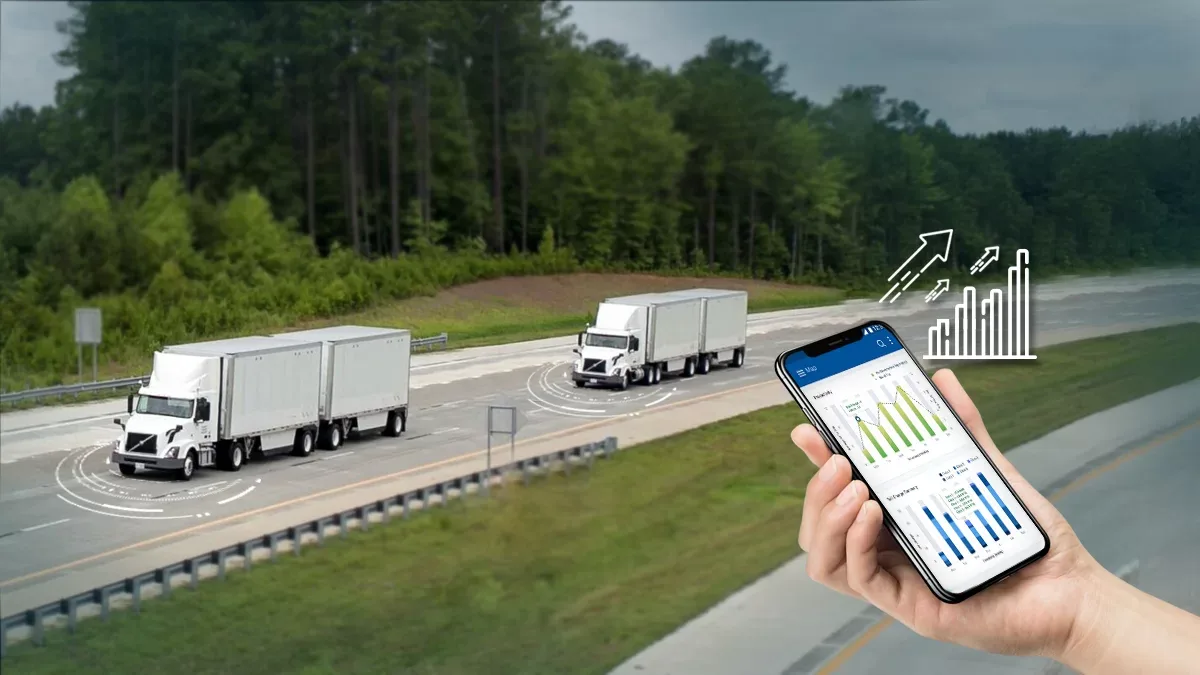
Modern Fleet Management Technologies go beyond monitoring—they provide actionable insights through advanced analytics:
Analytics help fleet managers optimize operations, reduce costs, and enhance customer satisfaction.
In today’s competitive logistics industry, leveraging advanced Fleet Management Technologies is essential for operational success. From GPS tracking systems, ELDs, temperature and fuel monitoring, to security cameras, telematics, predictive maintenance, and analytics, these tools empower businesses to operate smarter, safer, and more efficiently.
By integrating these solutions through Top Tracking System, it can streamline operations, reduce costs, improve compliance, enhance delivery reliability, and build a fleet that is ready for the future.
Our experts will tailor an ELD-compliant solution that fits your unique trucking needs and boosts operational efficiency.