

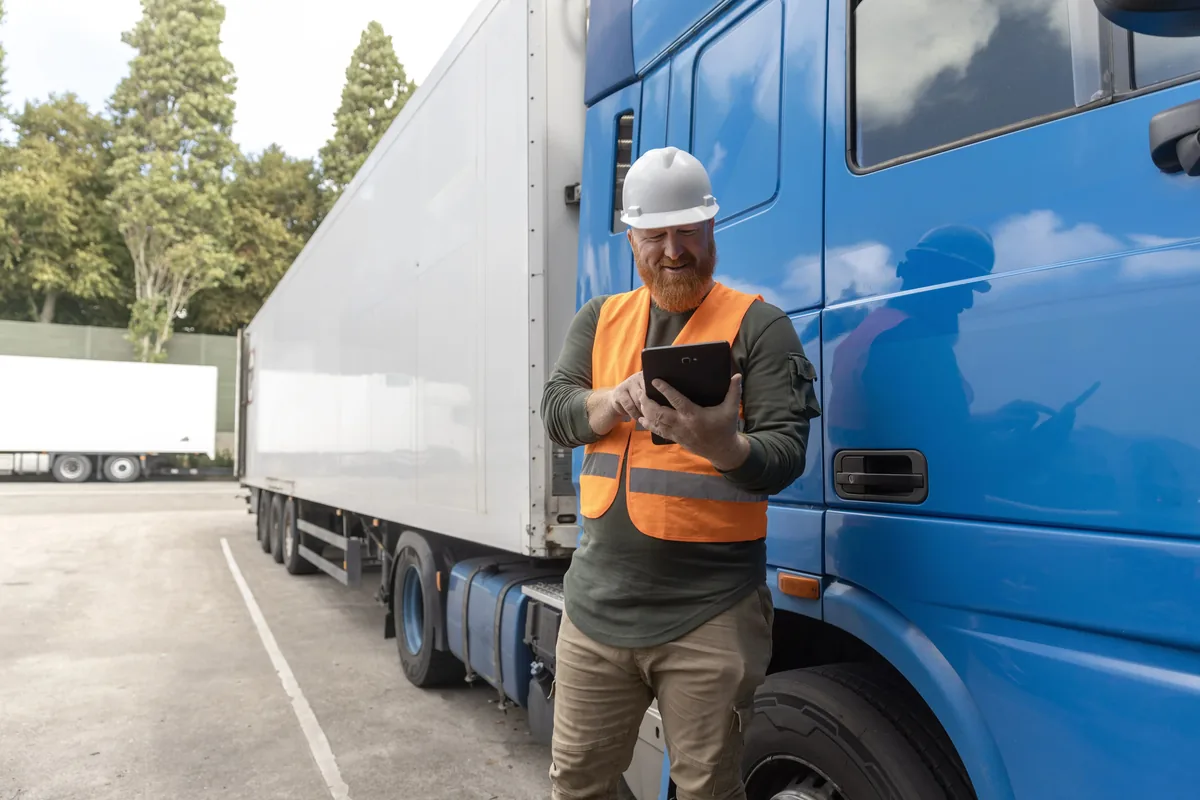
Hours of Service Rules 2026: 11-Hour, 14-Hour & 70-Hour Limits
Hours of service rules 2026 explained, 11-hour, 14-hour & 70-hour limits, split sleeper examples, FMCSA pilots & ELD tips for fleets.
Read article
Trucking is a busy, tightly ruled industry. Electronic Logging Devices (ELDs) are now much more than a legal must-have. They help drivers stay safe, help fleets run better, and keep everyone in line with the rules.
Maybe you run one truck. Maybe you manage hundreds. Either way, ELDs give you clear records and do much of the work for you. That makes your fleet smarter, safer, and easier to keep compliant.
An Electronic Logging Device (ELD) is a small unit that plugs into a truck's engine computer (ECM). It records driving hours and other key data on its own. This keeps drivers within the FMCSA Hours of Service (HOS) rules.
ELDs replace paper logs and older logging software. The records are more reliable and much harder to change by hand.
Modern ELDs, like the ones from Top Tracking, do even more. They add GPS tracking, fuel checks, driver behavior reports, and live alerts, all in one place.
The Federal Motor Carrier Safety Administration (FMCSA) made ELDs a must for most U.S. commercial drivers on December 18, 2017. The rule sets one standard for logging hours. It also cuts down on tired driving by tracking Hours of Service (HOS) the right way.
The rule aims to:
Breaking the rule can lead to big fines, lower CSA scores, and even being taken off the road.
A key benefit of ELDs is that they enforce HOS rules. Tired driving is a major cause of truck crashes. ELDs remind drivers to take required rest breaks and keep them from going over daily or weekly limits.
This leads to:
Modern ELD systems, like Top Tracking's, watch driving as it happens. Fleet managers get instant alerts for unsafe driving, such as:
Managers can then coach drivers right away. Over time, this makes every driver better and safer.
ELDs fill in the logs on their own. Drivers no longer need to write down hours or carry paper logs. That keeps their eyes on the road, cuts distractions, and stops paperwork mistakes.
If there is a crash or a roadside event, the ELD has a reliable record of what the driver was doing before it. This helps with:
These records are time-stamped and hard to change. That makes the facts clear and helps settle claims fairly.
ELDs record key data on their own, such as:
This cuts errors and false logs. Your records stay accurate and meet FMCSA rules.
At a roadside inspection, drivers can send their logs from the ELD straight to the officer. This:
Using ELDs every day means fewer violations and fewer out-of-service orders. That raises your CSA (Compliance, Safety, and Accountability) scores. A strong CSA score builds your reputation, can lower insurance costs, and helps you win better contracts.
Many ELD systems also track miles in each state. That makes IFTA (International Fuel Tax Agreement) reports faster and more accurate. You can save hours of data entry each quarter and lower the risk of audit fines.
Top Tracking ELD systems include live GPS, so fleet managers can see every truck. This helps with:
Pair your ELD with fuel sensors and engine checks, and you can see idling, fuel use, and unapproved trips. That lowers costs, helps trucks last longer, and is one more way to improve driver safety.
Easy-to-read dashboards help managers decide what to do next, such as:
Top Tracking offers FMCSA-compliant ELDs and fleet tools built for U.S. truckers, fleets, and logistics companies. Features include:
Whether you run a small carrier or a large logistics company, Top Tracking helps you stay compliant and ahead of the competition.
The ELD mandate started as a legal rule. But the benefits go far beyond that. ELDs improve driver safety by building good driving habits, keeping drivers ready for inspections, and keeping logs accurate.
They also cut costs and help your fleet run better. That makes ELDs a key tool for trucking today.
Ready to take your fleet to the next level? Choose a smarter, safer, and more compliant solution. Visit toptracking.com to learn more about our ELDs and ask for a free demo.
Stay informed with the most recent updates, expert analysis, and industry trends in truck tracking and fleet management.
Hours of service rules 2026 explained, 11-hour, 14-hour & 70-hour limits, split sleeper examples, FMCSA pilots & ELD tips for fleets.
Read article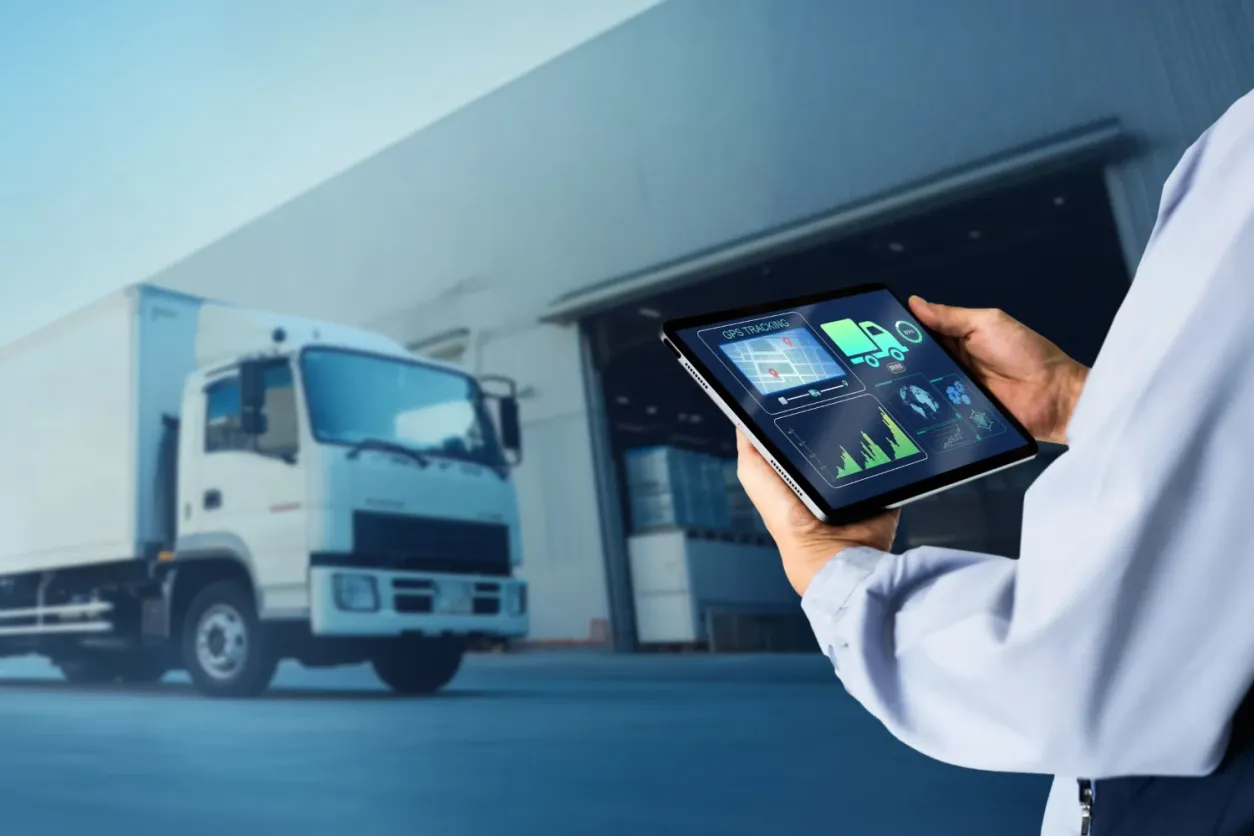
What is an ELD? It logs your driving time automatically from engine data. Learn how it works, who needs one, the exemptions, and what it records.
Read article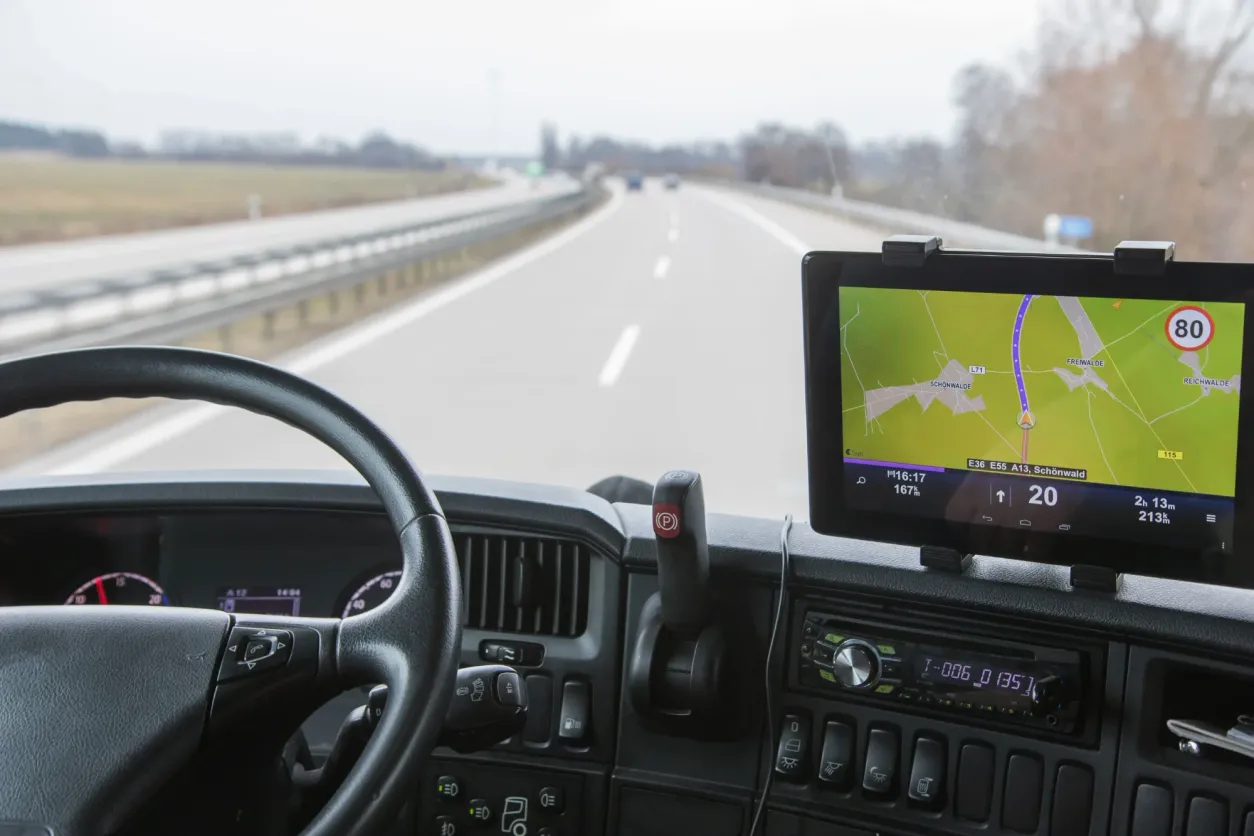
ELD malfunction? Notify your carrier in writing within 24 hours, rebuild 8 days of logs on paper, and learn what the 8-day rule really covers.
Read articleOur experts will tailor an ELD-compliant solution that fits your unique trucking needs and boosts operational efficiency.