
How Fleet Tracking Improves Last-Mile Delivery Performance in Florida
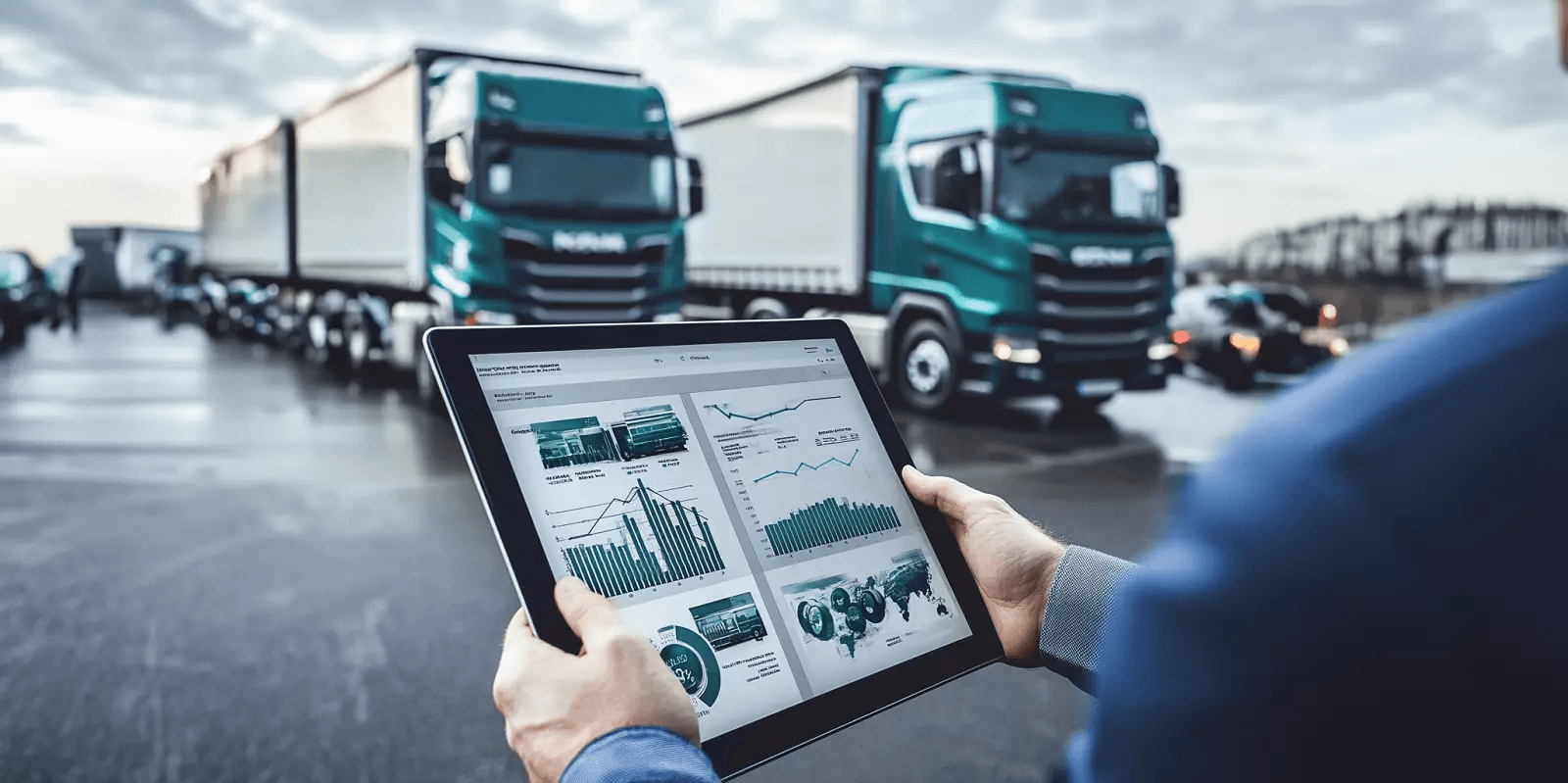
Last-mile delivery has become one of the most critical and cost-intensive stages in the logistics and supply chain ecosystem, especially in Florida, where hi...
Read article
In the logistics and transportation industry, time, accuracy, and efficiency are everything. Whether you’re managing a small fleet or a nationwide trucking operation, keeping track of every vehicle’s movement can mean the difference between profit and loss. That’s where GPS tracking for trucks becomes a game-changer.
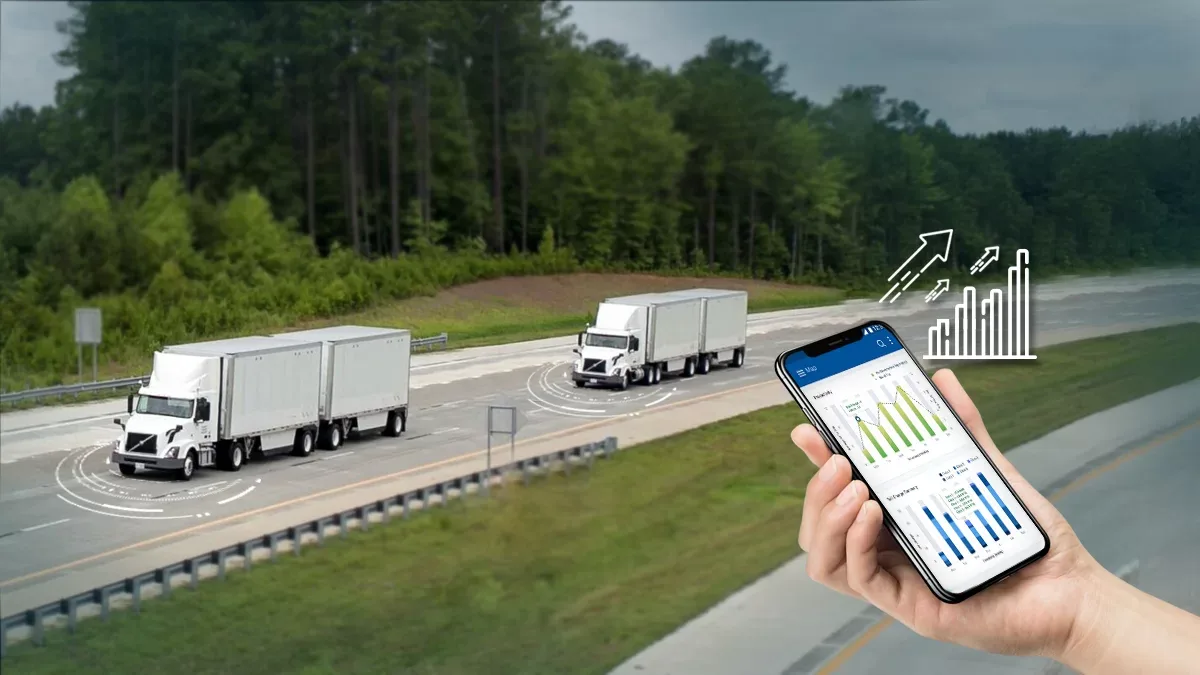
From reducing fuel waste and increasing route efficiency to boosting driver accountability, real-time GPS tracking systems are revolutionizing the way fleet managers operate. In this blog, we’ll dive deep into how GPS tracking systems improve operational efficiency in trucking, the features you should look for, and how a reliable fleet tracking solution can provide a lasting ROI.
GPS (Global Positioning System) tracking is a technology that uses a network of satellites to determine the precise location of vehicles in real time. When paired with a fleet management system, GPS trackers offer a wide array of data points, including:Vehicle location and movement
These data points allow fleet operators to make informed, data-backed decisions that significantly improve day-to-day efficiency.
Fleet operations are complex. Delays, inefficiencies, poor route planning, and fuel mismanagement can result in significant losses. Operational efficiency ensures that resources—fuel, time, and labor—are used effectively, reducing costs and increasing profitability.
Implementing a GPS fleet tracking system is one of the most effective ways to address these challenges.
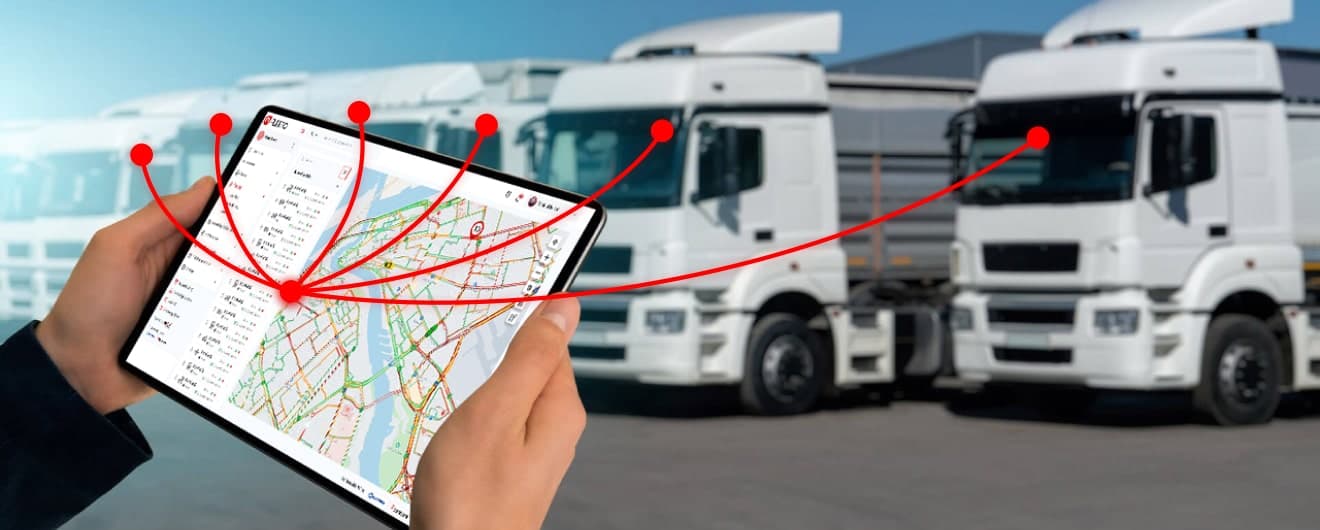
GPS tracking for trucks gives you a live view of your fleet, allowing you to monitor exact locations, speed, direction, and stop times. This real-time visibility allows dispatchers to make quick decisions and reroute vehicles as needed, ensuring timely deliveries and optimal use of resources.
A smart fleet tracking solution suggests the fastest, most fuel-efficient routes by analyzing traffic data, road closures, and driver history. Route optimization can reduce travel time, save on fuel, and extend vehicle lifespan by avoiding high-traffic areas or bad roads.
GPS systems with telematics integration monitor driver behavior, including:
Fleet managers can use this data to provide feedback, offer training, and reward safe driving habits—resulting in fewer accidents and reduced insurance premiums.
One of the most compelling reasons to use GPS fleet tracking is the potential for substantial fuel savings. GPS systems track fuel consumption, monitor idle times, and identify inefficient driving patterns. When combined with fuel monitoring sensors, fleet managers can detect theft or unauthorized usage instantly.
Geofencing allows you to create virtual boundaries around specific geographic areas. When a vehicle enters or exits this zone, you get an instant notification. This is incredibly valuable for:
Modern GPS tracking devices provide diagnostic data such as engine hours, battery voltage, and service alerts. This helps automate preventive maintenance scheduling and reduces breakdowns, ensuring trucks are always road-ready.
Providing accurate ETAs and real-time delivery updates to your customers builds trust and improves satisfaction. Fleet tracking also ensures deliveries are made on time, every time.
Companies managing last-mile logistics use real-time GPS tracking to ensure deliveries are completed within tight windows, improving efficiency and customer loyalty.
For temperature-sensitive shipments, GPS systems integrated with temperature sensors monitor conditions inside the trailer. This ensures perishable goods remain within required ranges, reducing spoilage and regulatory risk.
Geofencing and route optimization help fleets in hazardous industries stay compliant, avoid risk zones, and ensure timely deliveries.
Not all GPS tracking systems are created equal. Here’s what you should consider when choosing the right one:
TopTracking.com offers cutting-edge GPS tracking devices like the logbooks and sensor integrations, designed to meet the needs of both small and large fleets.
While there is an upfront cost to implementing a truck tracking system, the long-term benefits far outweigh it. Fleets using GPS tracking typically see:
The result? A more streamlined operation, higher customer satisfaction, and a stronger bottom line.
In a market where margins are tight and expectations are high, the ability to track, monitor, and manage your fleet in real time is no longer a luxury—it’s a necessity. GPS tracking for trucks empowers fleet managers with the data and insights they need to run leaner, smarter, and more efficient operations.
If you’re ready to take control of your fleet’s performance, Top Tracking System offers the technology and support you need to drive success. Explore our full range of GPS tracking devices and fleet solutions at toptracking.us.
Our experts will tailor an ELD-compliant solution that fits your unique trucking needs and boosts operational efficiency.