


Hours of Service Rules 2026: 11-Hour, 14-Hour & 70-Hour Limits
Hours of service rules 2026 explained, 11-hour, 14-hour & 70-hour limits, split sleeper examples, FMCSA pilots & ELD tips for fleets.
Read article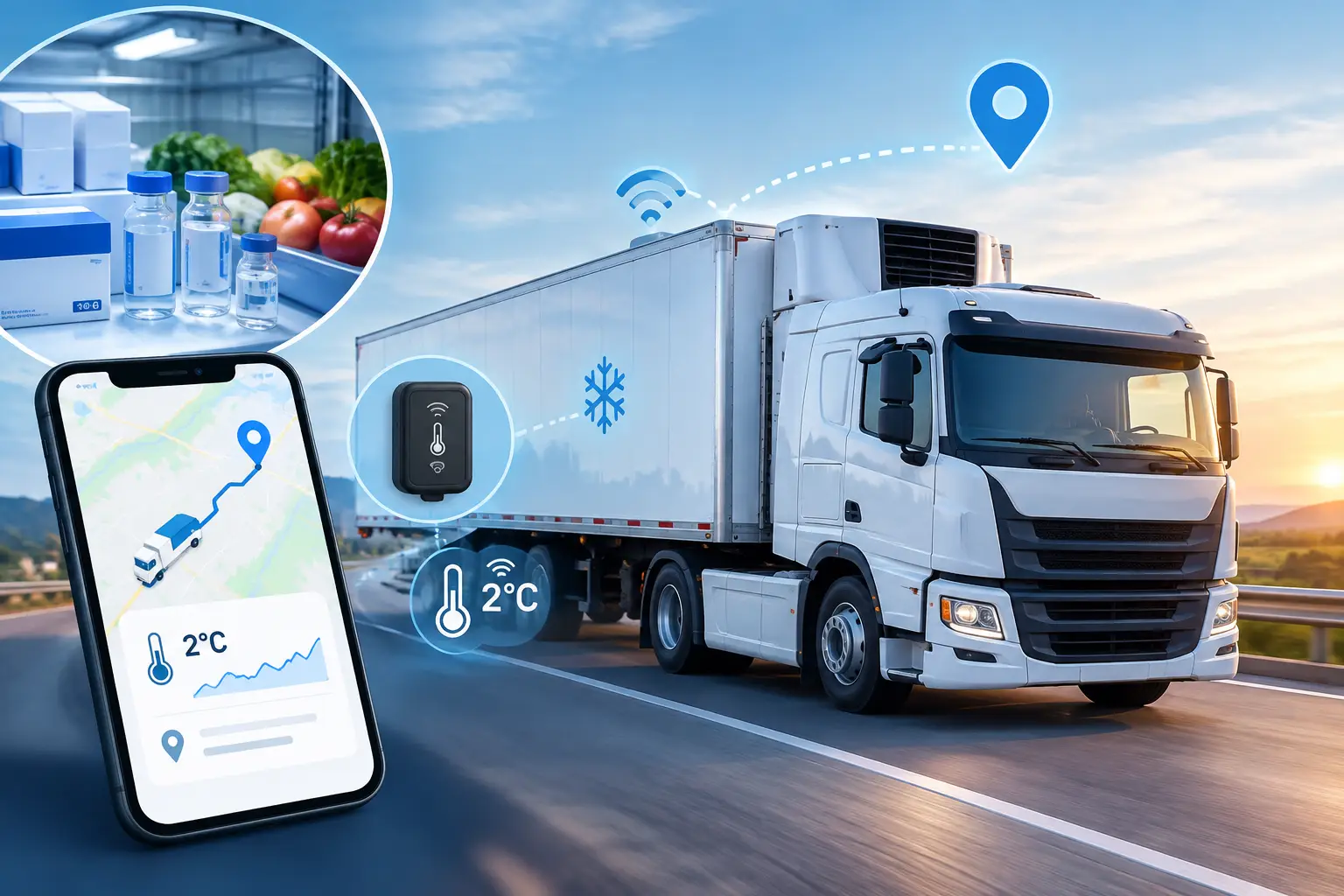
Maintaining cold chain integrity is critical for industries such as pharmaceuticals, food, and logistics. GPS Tracking with Temperature Sensors has become a game-changer in monitoring temperature-sensitive shipments. These advanced tracking systems provide complete visibility of goods during transportation, ensuring products remain within the required temperature range, preventing spoilage, and guaranteeing customer satisfaction.
Cold chain management is not just a best practice; it is a necessity. Perishable products like vaccines, medicines, dairy items, frozen foods, and biotech materials can lose efficacy or spoil if temperature deviations occur. Businesses face financial losses and legal liabilities if proper cold chain procedures are not followed.
By integrating GPS Tracking with Temperature Sensors, companies gain a comprehensive solution to track both the location and temperature of goods, reducing risks and ensuring product integrity.
GPS Tracking with Temperature Sensors devices are installed in vehicles, containers, or storage facilities. These devices continuously monitor temperature and location data. When the temperature moves outside the safe range, the system sends notifications or alerts to the logistics team.
Key features include:
Adopting GPS Tracking with Temperature Sensors offers multiple benefits:
Several industries gain significant advantages by implementing these tracking solutions:
Selecting the right system is essential for cold chain management. Top tracking system like Fleet Complete, Geotab, and Samsara provide reliable Temperature Sensors solutions that are durable, accurate, and easy to implement. These brands will help you provide any type of tracking system for your truck, ensuring your shipments are secure and monitored efficiently.
Features to look for include:
By choosing a top tracking system, you can avoid losses, maintain compliance, and improve operational efficiency. They will provide any type of tracking system for trucks, including temperature sensors, fuel monitoring, and route optimization tools.
In today’s competitive logistics and supply chain environment, safeguarding temperature-sensitive products is non-negotiable. Implementing GPS Tracking with Temperature Sensors ensures cold chain safety, reduces losses, improves operational efficiency, and maintains compliance with industry regulations.
By leveraging top tracking system, which can provide any type of tracking system for your truck, businesses gain a trusted solution to monitor shipments effectively, protect product integrity, and enhance customer satisfaction.
Invest in GPS Tracking with Temperature Sensors today to secure your cold chain, optimize your logistics, and strengthen your brand reputation.
Stay informed with the most recent updates, expert analysis, and industry trends in truck tracking and fleet management.
Hours of service rules 2026 explained, 11-hour, 14-hour & 70-hour limits, split sleeper examples, FMCSA pilots & ELD tips for fleets.
Read article
What is an ELD? It logs your driving time automatically from engine data. Learn how it works, who needs one, the exemptions, and what it records.
Read article
ELD malfunction? Notify your carrier in writing within 24 hours, rebuild 8 days of logs on paper, and learn what the 8-day rule really covers.
Read articleOur experts will tailor an ELD-compliant solution that fits your unique trucking needs and boosts operational efficiency.