
How Fleet Tracking Improves Last-Mile Delivery Performance in Florida
Last-mile delivery has become one of the most critical and cost-intensive stages in the logistics and supply chain ecosystem, especially in Florida, where hi...
Read article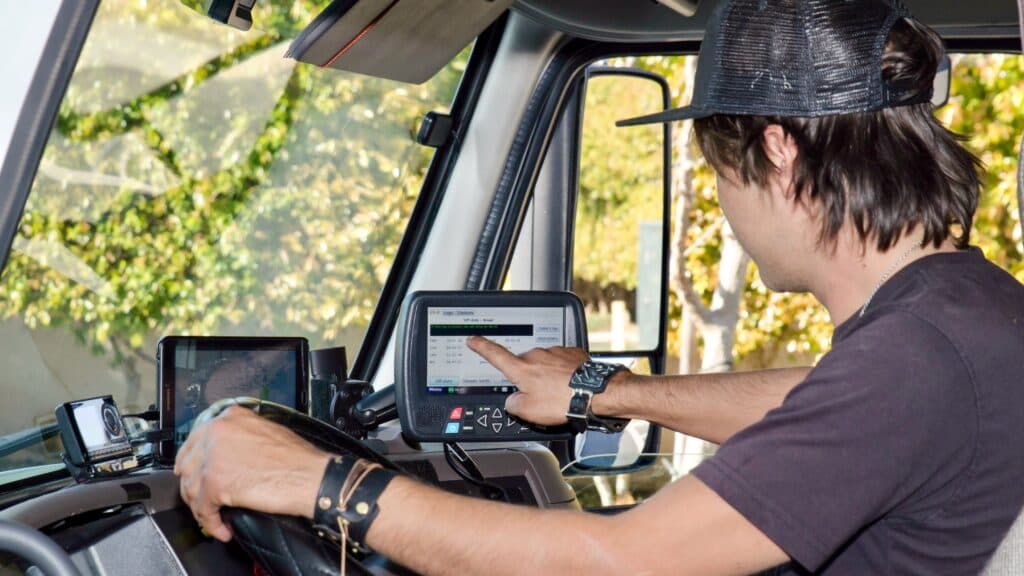
In today’s fast-paced transportation industry, fleet managers and truck operators face the constant challenge of maintaining efficiency, safety, and compliance. Electronic Logging Devices (ELD) have emerged as a vital tool to simplify fleet management, reduce paperwork, and ensure compliance with federal regulations.
An Electronic Logging Device (ELD) is a technology that automatically records a driver’s Hours of Service (HOS), vehicle movement, engine hours, and mileage. Designed to replace traditional paper logs, ELDs help fleet operators stay compliant with FMCSA regulations while ensuring that drivers do not exceed their legally permitted driving hours.
Modern ELDs can integrate with a top tracking system, providing fleet managers with real-time GPS data, vehicle diagnostics, and driver performance insights.
Fleet management is no longer just about moving goods from point A to point B. It is about efficiency, safety, compliance, and accountability. Here is why ELDs are a game-changer:
Implementing an ELD system in your fleet offers multiple advantages:
ELDs automatically track driver hours, reducing the risk of violations and fines. Fleet operators no longer need to manually maintain logs, which minimizes errors and ensures full compliance with FMCSA regulations.
By monitoring HOS accurately, ELDs help prevent driver fatigue, a leading cause of accidents. Safety features like speed monitoring and harsh braking alerts further protect drivers and cargo.
Fleet managers can access real-time vehicle data to optimize routes, reduce idle times, and improve fuel efficiency. Using an ELD combined with a top tracking system ensures that fleet performance is visible and measurable.
Paper logs are time-consuming and prone to mistakes. ELDs automate record-keeping, making reporting and audits hassle-free for fleet managers.
With GPS-enabled ELDs, fleet operators can track vehicles, monitor driver behavior, and maintain accountability across the fleet. This leads to better client satisfaction and trust.
When choosing an ELD for your fleet, consider these essential features:
The FMCSA mandate requires most commercial drivers to use ELDs for recording driving hours. Exceptions include:
Non-compliance can lead to fines, delayed shipments, and operational inefficiencies. Using ELDs ensures your fleet stays fully compliant and audit-ready.
Modern Electronic Logging Devices do not just track hours, they enhance overall fleet productivity:
Selecting the right Electronic Logging Devices provider is crucial:
As technology advances, ELDs are evolving to offer more than compliance:
Fleet managers adopting these innovations are not just compliant, they are future-ready, efficient, and competitive.
Electronic Logging Devices (ELD) are no longer optional, they are a critical component of modern fleet management. By simplifying compliance, improving driver safety, boosting operational efficiency, and enhancing transparency, ELDs empower fleet operators to achieve maximum productivity and profitability.
Investing in a reliable ELD system, combined with a top tracking system, ensures your fleet operates safely, efficiently, and stays ahead in the competitive logistics industry.
Our experts will tailor an ELD-compliant solution that fits your unique trucking needs and boosts operational efficiency.