
How Fleet Tracking Improves Last-Mile Delivery Performance in Florida
Last-mile delivery has become one of the most critical and cost-intensive stages in the logistics and supply chain ecosystem, especially in Florida, where hi...
Read article
In the transportation and logistics industry, the behavior of your drivers directly impacts fuel efficiency, vehicle wear and tear, road safety, and even customer satisfaction. While training and policies are important, the most effective way to monitor and improve driver habits is through telematics systems.
By combining real-time data and analytics, telematics for fleet management helps businesses understand how drivers perform on the road—and more importantly, how they can improve. In this blog, we’ll explore how telematics works, why it matters, and the best practices to boost driver performance and safety.
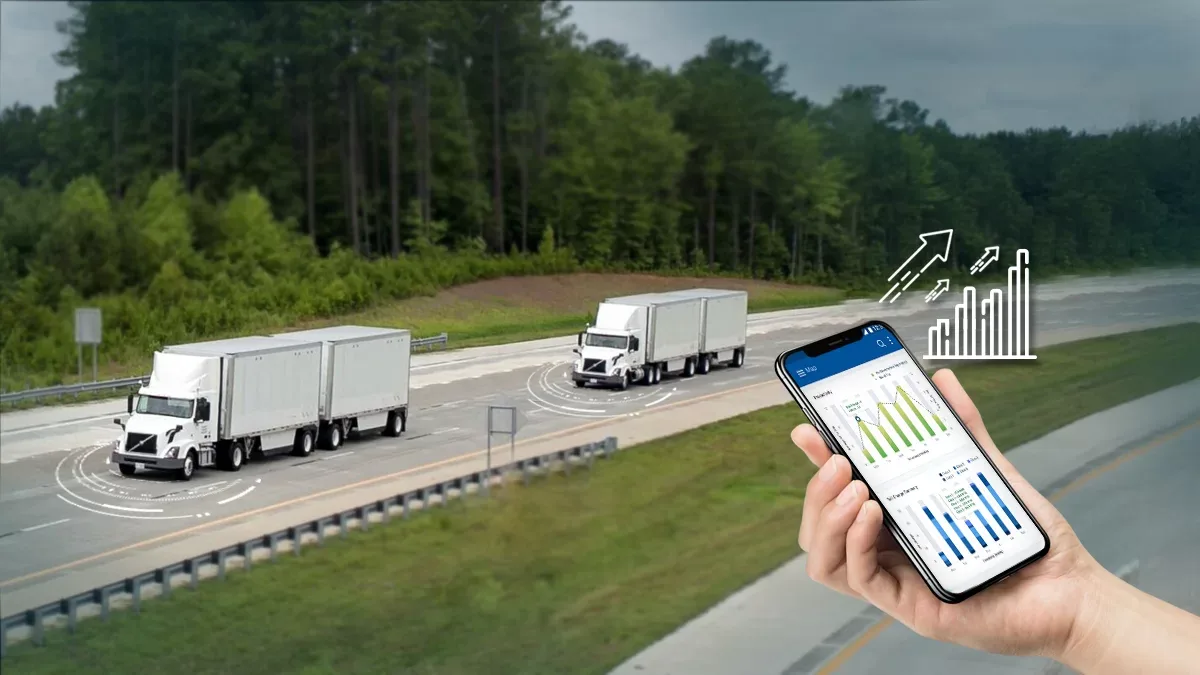
Telematics is a technology that blends telecommunications and informatics to gather, transmit, and analyze data from vehicles in real time. When used in fleet management, it provides a wealth of insights into:
With these insights, fleet operators can address unsafe behavior, optimize operations, and improve overall driver performance.
Why Driver Behaviour Matters
Your fleet is only as efficient as your drivers. Even with the best route optimization tools or GPS tracking, poor driving habits can undo your progress.
The Impact of Poor Driver Behaviour:
Improving driver behaviour with telematics is essential to running a safe, efficient, and profitable fleet.
This devices instantly detect and report risky behaviors like speeding, sharp turns, and rapid acceleration. Fleet managers receive real-time alerts and can address issues immediately.
Most fleet telematics systems generate performance reports or scorecards for each driver, ranking them based on safety and efficiency metrics. These reports can be used for:
Using data from the systems, you can implement targeted coaching to help drivers improve areas such as fuel efficiency, smoother braking, and reduced idling.
Reward drivers who consistently perform well. Bonus systems tied to telematics data can boost morale and encourage safe, responsible driving.
Before implementation, educate your drivers about the telematics system—what it tracks, why it matters, and how it benefits them. Transparency fosters trust and cooperation.
Define performance indicators like:
Use these KPIs to drive accountability.
Schedule regular sessions to review telematics reports. Offer constructive feedback and set goals for improvement.
Publicly recognize top performers and offer rewards such as fuel cards, bonuses, or days off. A little competition goes a long way.
It will doesn’t just improve behavior—it also monitors vehicle health. Proactive maintenance reduces downtime and ensures safety.
Telematics systems also help ensure compliance with safety regulations, including:
This not only boosts driver safety but protects your company from legal risks and penalties.
A mid-sized delivery fleet used TopTracking’s telematics system to reduce speeding and harsh braking incidents by 35% in just 3 months. The company introduced a performance-based incentive program using driver scorecards and saw a 20% reduction in fuel costs.
Improving driver behaviour with telematics is one of the smartest moves a fleet operator can make. From reducing costs and increasing safety to boosting morale and customer satisfaction, the benefits are significant and measurable.
If you’re looking to implement a powerful, data-driven fleet management solution, visit toptracking.com to learn more about how our telematics systems can elevate your fleet’s performance and safety.
Our experts will tailor an ELD-compliant solution that fits your unique trucking needs and boosts operational efficiency.